

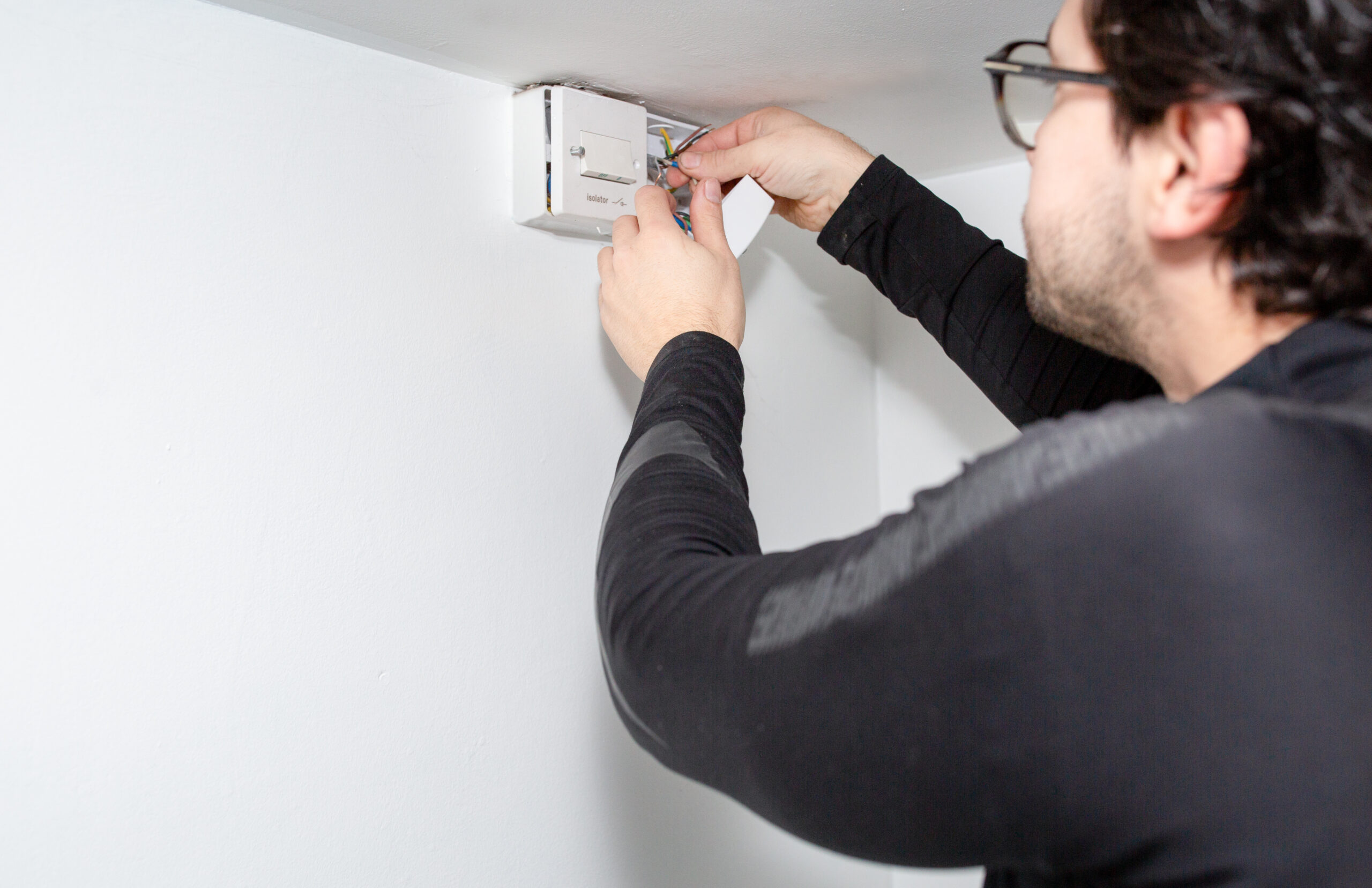
Electrical safety is a fundamental part of providing safe homes. In the social rented sector, where residents may include vulnerable people and families, maintaining safe electrical installations is not just a compliance issue; it is a duty of care.
While the private rented sector has been subject to mandatory electrical safety regulations since 2020, the government has long recognised that similar protections should apply consistently across social housing. Following a consultation, which received 119 responses from individuals and organisations, which saw 97% of respondents agreeing with mandatory electrical installation checks and 83% agreeing with the testing of electrical appliances. The government has now extended electrical safety regulations to the social rented sector, marking a significant shift in expectations for landlords and managing agents
Why change is needed
Currently, social landlords are required to keep electrical installations safe under the Landlord and Tenant Act 1985 and the Homes (Fitness for Human Habitation) Act 2018. However, unlike the private rented sector, there has been no requirement for routine, standardised electrical safety inspections.
The government response highlights concerns that this inconsistency can lead to variable standards, reduced transparency, and difficulty demonstrating compliance. Electrical faults remain a leading cause of domestic fires, and without regular inspections, risks may go unidentified until serious incidents occur.
Extending these formal regulations is intended to create clarity, improve safety outcomes, and ensure tenants in social housing receive the same level of protection as those in the private rented sector.
What the regulations include
The regulations closely mirror the Electrical Safety Standards in the Private Rented Sector (England) Regulations 2020. Under the new framework, social landlords are required to:
- social landlords will be obliged to inspect and test electrical installations in their homes at least every five years
- social landlords will be obliged to issue a copy of the Electrical Installation Condition report (EICR) to social tenants within 28 days of an inspection, or to any new tenant before they occupy the property
- social landlords will be obliged to undertake in-service inspection and testing of electrical equipment provided as part of a tenancy (sometimes known as ‘PAT testing’)
- social landlords will be obliged to complete any remedial works following an inspection, within 28 days
Importantly, the regulations are designed to be proportionate. For example, new builds with recent certification would not require immediate re-inspection, and landlords would be given reasonable time to address non-urgent issues. The intention is not to penalise responsible landlords, but to establish a clear, auditable standard that supports proactive asset management and resident safety.
These changes came into place on the 1st December 2025 for new tenancies and are due to come into place for existing tenancies from 1st May 2026, with a compliance deadline of 1st November 2026.
Social landlords with existing tenancies should begin preparing now to manage compliance, control costs, and avoid reactive maintenance.
How Penshurst Construction can help
At Penshurst Construction, we work closely with social housing providers to deliver safe, compliant, and resident-focused maintenance and improvement programmes.
Our experienced teams support landlords with electrical safety works as part of wider planned and reactive maintenance services, including:
- Coordinated inspection programmes aligned to asset management strategies
- Remedial works delivered efficiently and with minimal disruption to residents
- Clear communication with tenants before, during, and after works
- Integration with other compliance and maintenance activities to reduce duplication and cost
We understand the operational pressures facing social landlords and take a practical, partnership-led approach to compliance. As electrical safety regulations evolve, we help our clients move from reactive response to confident, planned delivery.
If you would like to discuss how we can support your organisation in preparing for the extended electrical safety regulations for existing tenancies, speak to a member of the team.
